Problem
- RØDE wanted to develop a community around its brand and products
- Users wanted help with their products
The Challenge
- How might we build a community that aligns the goals of RØDE, and our users?
Strategy
- We empowered superusers, streamlined the support experience, and made sure the community felt valued
Results
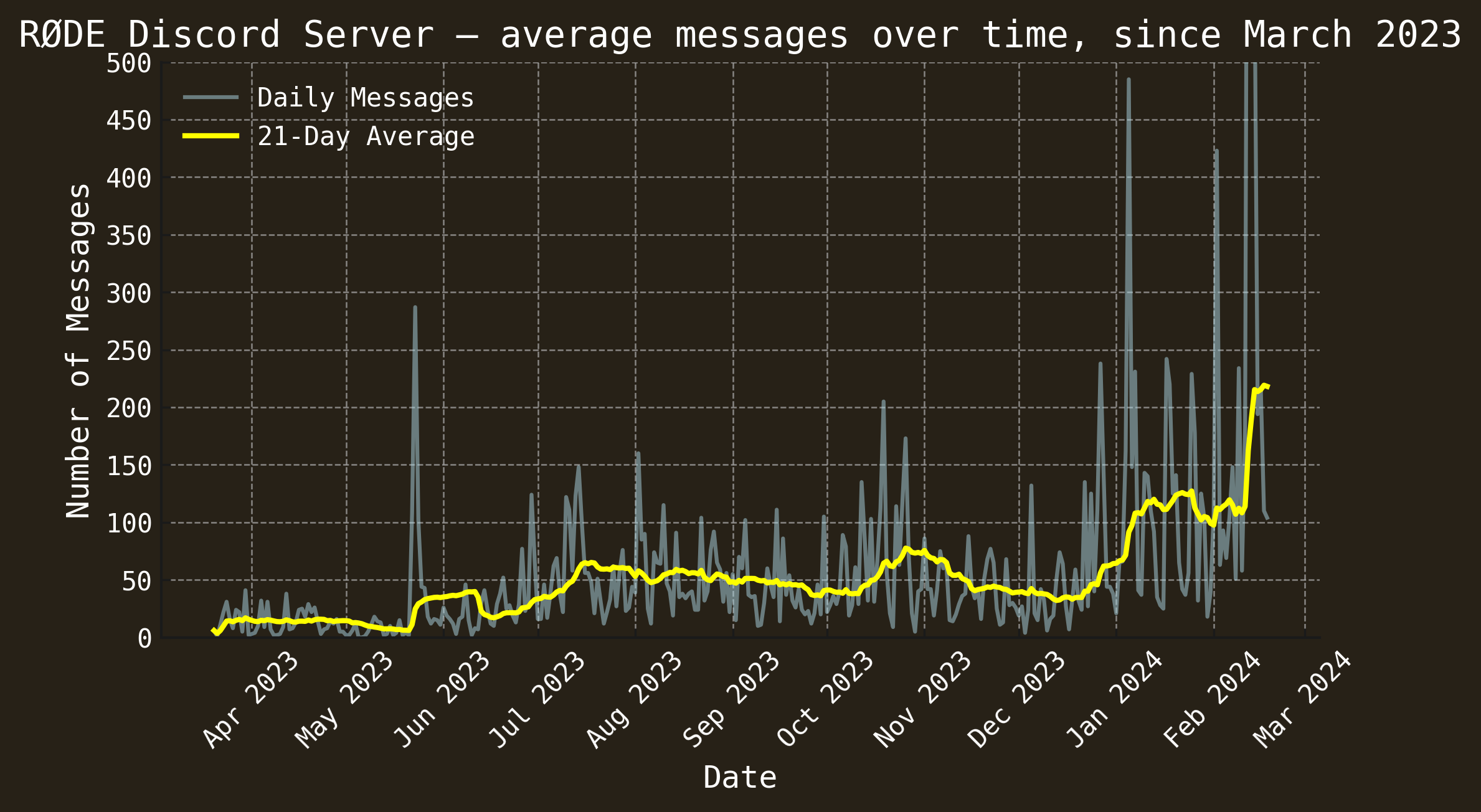
- 12x membership growth in one year
- 80+ support requests resolved per month from community members
- High user engagement and a strong sense of positive brand sentiment
Key Takeaways
- Communities thrive when brands do the same things good leaders do
- Invest in your helpful members, and they’ll invest in you
In 2022, RØDE launched the RØDECaster Pro II, a product that was revolutionary in the worlds of podcasting, streaming, and home broadcasting. It was the most powerful, versatile, and affordable device this category had ever seen, and became a huge hit.
But as RØDE’s world-class marketing team discovered, with two USB ports, multiple routing modes, firmware updates, this was also RØDE’s most complex device ever. Overnight, there was an enormous new audience of users with diverse, and complex technical needs, looking for support and advice.
The RØDE Discord server was a way to provide a better support experience to these users, leveraging the expertise of staff like myself and the community themselves. My initiatives incentivised community members to provide others with quality support, and create a public knowledge base that contained the trove of complex technical information the community needed.
This also dovetailed with a more traditional marketing effort, to create a community around our brand and products, engendering trust and positive brand sentiment, and creating more activity and organic engagement with our growing ecommerce operation and social channels.
Mostly, marketing departments that try “community building” fail, because a community can’t be bought, or bossed around. Communities aren’t magically what brands say they are.
Instead, my experience reflected how to grow a branded community with genuine community leadership, and a solid user experience.
Since there was so much I learned, I decided to document my findings in a ~3000 word case study on what worked, what didn’t, and the results.
This case study is available on request – if you’re interested, send me an email.